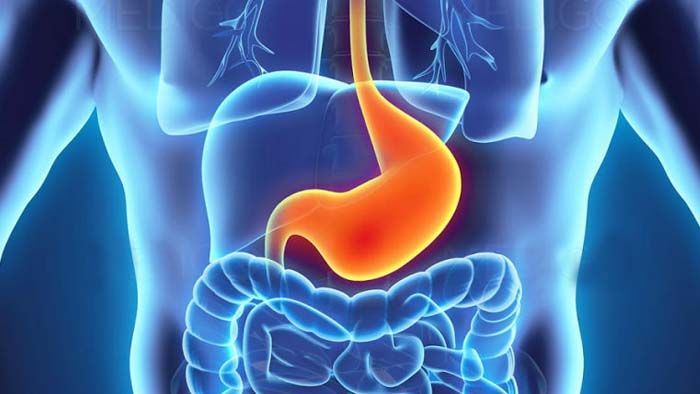
We’ve all been there really. A big meal, a stressful day at work, a late night binge etc will trigger that familiar burning in the chest or a sharp cramp in the stomach. For the majority of people the instinctive reaction is to reach for an antacid, a PPI or a fizzy digestive.
Most of the time these quick fixes will work. The problem arises when the burning doesn’t cease. What if that rather dull ache in your upper abdomen starts to change into something far more constricting, affecting your ability to eat, your sleep and your general way of life?
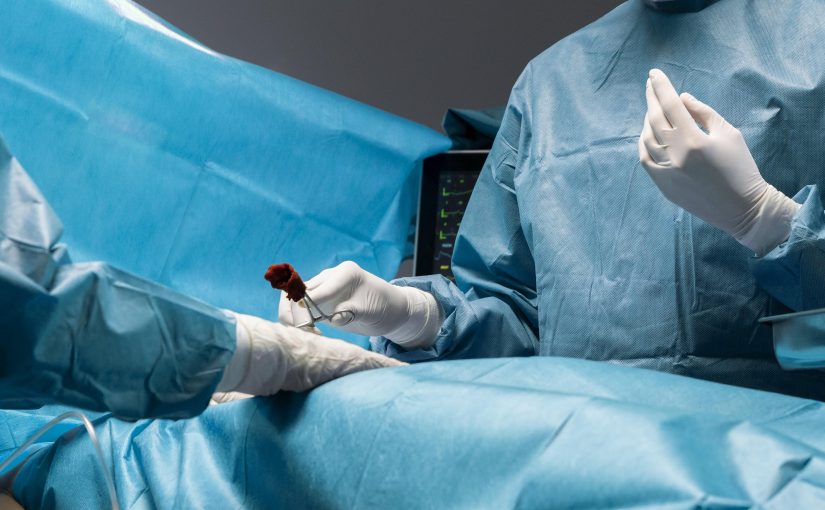
There’s a real danger in treating the gut as a single entity. When it goes wrong we just assume it’s “acidity” or ‘indigestion”. Medical gastro (medico-gastroenterology, i.e. the use of medication and lifestyle modification to treat the gut) has its limits. If you’ve got a structural failure, a major blockage or a cellular mutation then you are looking at a situation where you need the skills of a Surgical Gastroenterologist (a Gastrosurgeon).
Ignoring the structural problems by simply masking them with OTC antacids can allow a benign condition to spiral into a life threatening emergency. Here are 5 key red flags that your digestive problems have now moved beyond the realm of the pharmacy and require a surgical assessment.
1. The “Acidity” that Radiates to Your Back or Right Shoulder
True acid reflux produces a burning sensation behind the breastbone which can occasionally work its way up into the throat. If however your “acid attacks’ are consistently causing a deep, dull pain in your upper right abdomen which either shoots straight through to your back or wedges itself right under your right shoulder blade then you are almost certainly not suffering from stomach acid.
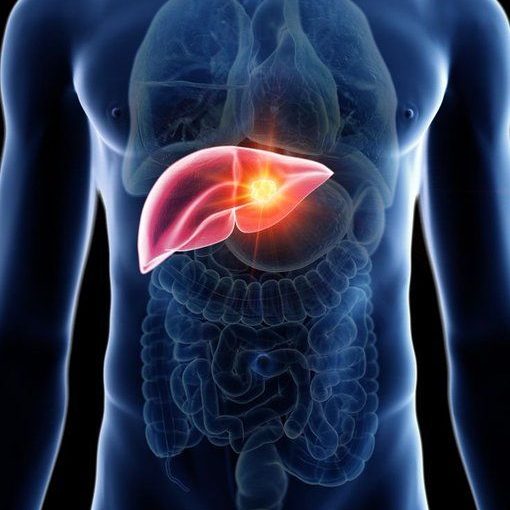
This is the classic picture of biliary colic (caused by a gallstone in the cystic duct). You get the pain when you eat a fatty meal as the gallbladder contracts against the stone. If left untreated the stone can go on to cause cholecystitis, jaundice or indeed life threatening pancreatitis. An antacid will do absolutely nothing to move a physical stone. A gastrosurgeon can of course safely remove the gallbladder laparoscopically before it ruptures.
2. Progressive difficulty swallowing (dysphagia)
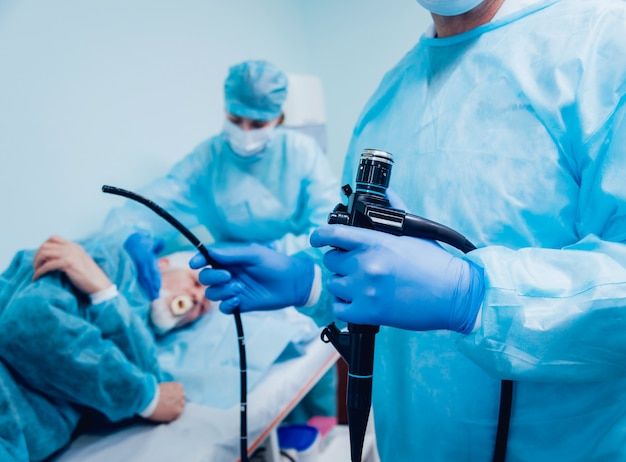
If you are finding that you need to drink some water to be able to swallow solid foods, or have a physical sensation of lumpiness or obstruction in your chest, then this can be an indicator of a serious issue. Severe long-term acid reflux can lead to benign narrowing of the oesophagus (stricture). If dysphagia worsens, whereby you struggle to swallow solids, then soft foods and finally liquids, this can indicate severe motility issues such as achalasia cardia. This can also indicate a more serious issue such as tumours of the oesophagus or stomach. Using liquid antacids to help alleviate symptoms will delay the crucial endoscopy investigations and staging scans. Early surgical intervention is crucial to allow you to eat again and prevent disease progression.
3. Chronic Heartburn Not Relieved by Strong Doses of Medication
While occasional heartburn is normal, heartburn that causes you to take prescription strength antacids daily for months is not. If you experience a return of symptoms when missing 1 dose, or have breakthrough heartburn whilst taking medication then there is likely an issue with the mechanics of your stomach.
Chronic reflux is often due to a large hiatus hernia. This is a structural abnormality where part of your stomach protrudes up through the diaphragm into your chest cavity. No amount of chemical suppression will actually pull your stomach back into the abdomen or repair a torn diaphragm. However, a gastrosurgeon can carry out a minimally invasive fundoplication to rebuild the structure of your anti-reflux defence mechanism. You won’t need to take any medication for the rest of your life.
4.Unexpected weight loss and early satiety
While losing weight without trying sounds like a dream, it can be a major red flag in terms of medical concerns. When you lose weight with associated early satiety, meaning feeling extremely full after only eating a few mouthfuls of food then there is an issue with the capacity or emptying of your stomach.
Often this combination of symptoms indicates there is either a mechanical obstruction at the distal end of the stomach (gastric outlet obstruction) or there is thickening of the stomach wall, which can be an indicator of gastric malignancies. If there is a physical obstruction preventing food passing through then taking anti-acid tablets will only delay the necessary surgical oncology assessment to resect the disease.
5. Alarm Symptom: Vomiting Blood/Black Tarry Stools
If there is any indication of gastrointestinal bleeding then it is essential you seek immediate assistance from medical professionals. If you are vomiting black, coffee-ground like matter or you are passing sticky, very dark black stools with a very unpleasant smell then you are suffering from an active upper GI bleed.
Severe peptic ulcers may be treated using endoscopy and medications. However, if the ulcer has reoccurred or is producing large volumes of blood loss (often due to deep ulceration, tissue perforation or vessel rupture) then emergency surgery will be required. Using antacids while actively bleeding internally can be dangerous and fatal.
The Takeaway: Listen to the Anatomy, Not Just the Chemistry
Antacids are used to alter the chemical composition of your stomach fluids. If there is an anatomical issue with your gut (stones, hernias, strictures & tumours) and you’re attempting to treat this with medication it’ll be akin to painting over a leaking water pipe.
If you or a loved one has any of the following 5 symptoms you should skip the chemists and book a consultation with a certified Surgical Gastroenterologist to find out what is exactly going on with your anatomy. Visit the best Gastrosurgery doctor in Vadodara.